
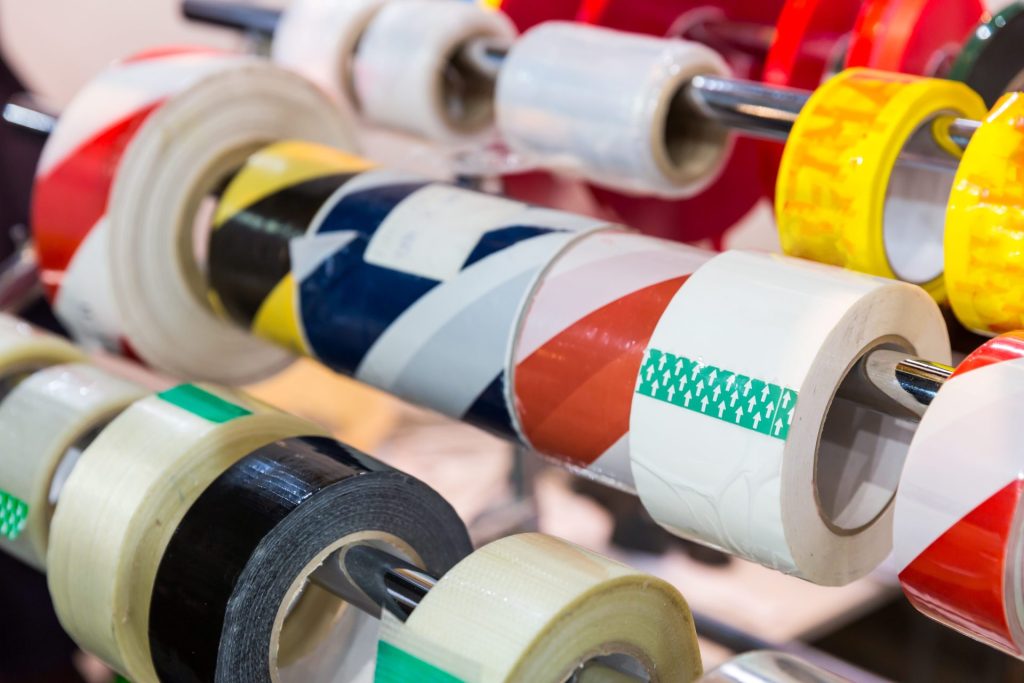
Packaging tape may seem like a straightforward supply purchase, but the wrong tape can create problems throughout an operation. Cartons that open during transit, tape that loses adhesion in cold storage, unnecessary material usage, and packaging line slowdowns can all result from using a tape that is poorly matched to the application.
For manufacturers, distributors, warehouses, and fulfillment operations, choosing packaging tape means considering more than width and price per roll. Adhesive type, carton material, temperature, package weight, storage time, application method, and shipping conditions all affect performance.
Breckenridge Paper & Packaging supplies a broad range of adhesive and tape solutions, including hot melt and acrylic pressure-sensitive carton sealing tapes, water-activated tape, filament tape, masking tape, strapping tape, double-faced tape, custom printed tape, and specialty products. Understanding the differences can help you choose a tape that performs reliably while controlling overall packaging costs.
What Should You Consider When Choosing Packaging Tape?
Before comparing specific types of tape, start with the demands of the application. A lightweight carton moving through a climate-controlled distribution center has very different requirements from a heavy industrial package stored in a cold warehouse or shipped through changing temperatures.
Important factors include:
- Carton weight and dimensions
- Corrugated board type and surface condition
- Storage and application temperatures
- Length of time cartons will remain sealed
- Exposure to moisture, dust, or changing environmental conditions
- Manual versus automated application
- Shipping and handling conditions
- Security and tamper-evidence requirements
Evaluating these variables makes it easier to narrow the options and avoid paying for performance characteristics your application does not need.
Acrylic Packaging Tape
Acrylic carton sealing tape is a versatile choice for many shipping and storage applications. It uses a pressure-sensitive adhesive that bonds when pressure is applied during application.
One of acrylic tape’s advantages is its ability to maintain adhesion over longer storage periods. Certain acrylic formulations can also perform well across a broad range of temperatures and resist aging, oxidation, and UV exposure better than some alternatives.
That can make acrylic tape a good candidate for cartons that may spend extended periods in warehouses or encounter changing environmental conditions during distribution.
However, performance varies significantly between products. Carton surface, recycled content, temperature, tape thickness, and adhesive formulation should all be considered when specifying an acrylic tape.
Hot Melt Packaging Tape
Hot melt carton sealing tape is another widely used option, particularly for high-volume shipping and packaging operations.
Hot melt adhesives generally provide strong initial tack and fast adhesion to corrugated surfaces. These characteristics can make the tape well suited for automated carton sealing operations where speed and consistent application are priorities.
Hot melt tape is commonly considered for:
- High-volume carton sealing
- Manufacturing operations
- Distribution centers
- Automated packaging lines
- Regular slotted corrugated cartons
While hot melt performs effectively in many standard environments, temperature extremes and long-term storage requirements should be considered when comparing it with acrylic alternatives.
Acrylic vs. Hot Melt Tape: Which Is Better?
Neither is universally better. The right choice depends on how the carton will be packed, stored, and shipped.
Hot melt tape can be attractive when immediate adhesion, high-speed application, and strong performance on standard corrugated cartons are priorities. Acrylic tape may be preferable when packages will remain sealed for longer periods or encounter a broader range of storage and shipping conditions.
Cost should also be evaluated based on actual tape consumption rather than simply comparing roll prices. If one tape requires additional strips or creates more carton-sealing failures, a cheaper roll may ultimately cost more per successfully shipped package.
Testing both options on the actual corrugated material and packaging equipment can provide a much clearer answer than specifications alone.
Water-Activated Tape
Water-activated tape, sometimes called gummed tape, uses an adhesive that is activated with water before application. Once applied to corrugated material, it creates a strong bond with the carton surface.
One of its biggest advantages is package security. Because the tape bonds closely with the corrugated surface, opening a carton typically leaves visible evidence. This makes water-activated tape particularly useful when tamper evidence is an important consideration.
It can be a strong option for:
- E-commerce fulfillment
- High-value shipments
- Heavier cartons
- Packages requiring improved tamper evidence
- Operations seeking a clean, professional carton appearance
Water-activated tape requires an appropriate dispenser or automated application system, so equipment requirements should be included when calculating total program costs.
Filament Tape
Filament tape is reinforced with fiberglass or similar fibers to provide substantially greater tensile strength than standard carton sealing tape.
Rather than being used for everyday light-duty carton closure, filament tape is commonly selected for applications requiring reinforcement or additional holding strength.
Typical uses include bundling products, reinforcing cartons, securing heavier packages, unitizing items, and supporting demanding industrial packaging applications.
Different filament patterns and adhesive systems provide different performance characteristics, making it important to match the tape to the weight and stress of the application.
Masking Tape
Masking tape generally serves a different purpose from carton sealing products. It is often used in manufacturing environments for temporary holding, marking, labeling, surface protection, painting, and other production processes.
Temperature resistance is especially important for industrial masking applications. A general-purpose masking tape may be appropriate for basic tasks, while manufacturing processes involving elevated temperatures or demanding surfaces can require specialized products.
Selecting masking tape based solely on price can result in adhesive transfer, tearing, poor removal, or failure during processing. Surface material, exposure time, temperature, and removal requirements should all be evaluated.
Specialty and Custom Printed Tapes
Some packaging challenges require more specialized solutions.
Strapping tape can reinforce packages or secure products where additional strength is needed. Double-faced tapes are useful for mounting, assembly, displays, and applications where the adhesive needs to remain concealed. Other specialty tapes can be engineered for particular surfaces, temperatures, manufacturing processes, or performance requirements.
Custom printed tape can also turn carton sealing into a branding or communication opportunity. Businesses can add logos, handling instructions, security messages, or other information directly to the tape.
For companies shipping large numbers of plain corrugated cartons, custom printed tape can provide brand visibility without requiring a fully custom printed box.
How Temperature Affects Packaging Tape
Temperature is one of the most overlooked factors when choosing an adhesive.
There are two temperatures to consider: the temperature when the tape is applied and the temperatures the sealed carton will experience afterward.
A tape applied in a comfortable production environment may later travel through cold trucks, hot warehouses, or other changing conditions. Conversely, a carton sealed inside a refrigerated or cold-storage facility requires a tape capable of developing an effective bond at the application temperature.
Humidity, dust, recycled corrugated content, and surface contamination can further affect adhesion.
For operations experiencing recurring carton failures, evaluating the environment along with the tape specification can help identify whether the adhesive itself is actually the problem.
Manual vs. Machine-Applied Carton Sealing Tape
Application method can have a significant effect on both tape selection and total packaging cost.
Manual tape dispensers provide flexibility and are practical for lower-volume operations or facilities packing cartons with varying sizes and configurations. Higher-volume operations can benefit from carton sealing tapers that apply tape automatically and consistently.
Automation can help standardize tape placement and reduce excessive material usage while improving throughput. However, the tape must be compatible with the equipment. Roll dimensions, unwind characteristics, adhesive formulation, and machine settings can all influence performance.
Breckenridge provides both packaging materials and equipment solutions, allowing tape selection to be evaluated alongside carton sealing equipment rather than as an isolated purchasing decision.
How to Reduce Packaging Tape Costs
Reducing tape costs does not necessarily mean buying the least expensive tape. A better goal is reducing the cost of reliably sealing each carton.
An effective tape program should minimize unnecessary tape usage, resealing, damaged packages, manual intervention, and packaging line interruptions.
For example, upgrading to a better-performing tape may allow an operation to use fewer strips per carton. Automated carton sealing may provide more consistent application and reduce overuse. Choosing an adhesive that performs properly on the facility’s corrugated material can also prevent cartons from reopening and requiring additional labor.
For high-volume operations, even small improvements in tape usage per package can become meaningful over thousands or millions of cartons.
Match the Tape to the Entire Packaging Process
Packaging tape does not work independently of the rest of the package. Corrugated board quality, carton design, product weight, storage environment, transportation conditions, and application equipment all influence whether a seal performs as intended.
That’s why tape selection should be treated as part of the overall packaging system.
Breckenridge Paper & Packaging works with customers to specify adhesive and tape solutions based on their actual applications. With hot melt and cold set adhesive glues, carton sealing tapes, filament tapes, masking tapes, strapping tapes, water-activated tapes, double-faced tapes, custom printed tapes, and specialty options, our team can help businesses identify products that balance performance, efficiency, and cost.
Technical support is also available to help determine the appropriate adhesive system or tape for specific manufacturing and packaging requirements.
Frequently Asked Questions About Packaging Tape
What is the best tape for shipping boxes?
There is no single best carton sealing tape for every shipment. Hot melt and acrylic pressure-sensitive tapes are common choices, while water-activated tape can be useful when carton security and tamper evidence are priorities. Carton weight, corrugated material, temperature, storage time, and application method should guide the selection.
Is acrylic or hot melt tape better for shipping?
Hot melt tape can provide excellent initial tack and work well in high-volume carton sealing applications. Acrylic tape can offer advantages for longer storage periods and changing environmental conditions. Testing against your actual cartons and operating conditions is the best way to determine which performs better.
What tape should be used for heavy boxes?
Heavy cartons may require a higher-performance carton sealing tape, water-activated tape, reinforced filament tape, or another securing solution depending on the load. Carton construction and shipping conditions should also be evaluated.
What is the best packaging tape for cold temperatures?
Cold environments require adhesives formulated for the temperatures involved. Pay particular attention to the application temperature, since some tapes that perform after exposure to cold conditions may not bond effectively if initially applied to a very cold carton.
When should filament tape be used?
Filament tape is appropriate when additional tensile strength is needed for reinforcement, bundling, unitizing, or securing demanding packages.
Find the Right Packaging Tape for Your Operation
The best packaging tape is the one that performs consistently within your specific operation. A tape that works well for one manufacturer may not be the right solution for another facility using different cartons, equipment, temperatures, or shipping methods.
Instead of comparing tape by roll price alone, evaluate adhesion, material usage, application speed, storage conditions, package failures, and labor. The right specification can improve carton integrity while reducing waste and unnecessary packaging costs.
Breckenridge Paper & Packaging provides adhesive and tape products backed by decades of packaging experience and a consultative, customer-first approach. Whether you need carton sealing tape for a high-volume packaging line, water-activated tape for secure shipments, filament tape for demanding industrial applications, or a specialty adhesive solution, our team can help you identify the right product for your operation.